Wynton Kelly
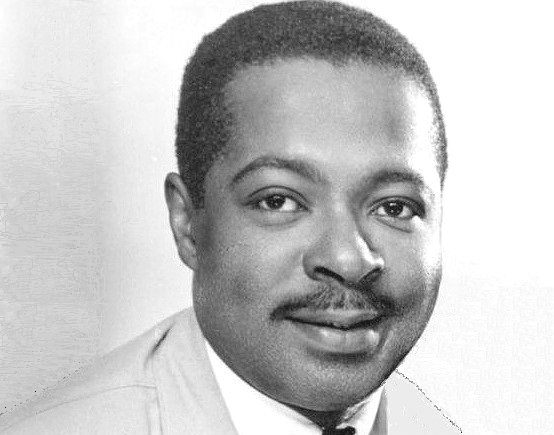
On Kind of Blue, the best-selling jazz album ever made, one track sounds different from the rest — the bluesy, grinning "Freddie Freeloader." That's because Miles Davis swapped pianists for it, handing the bench to Wynton Kelly, whose relaxed, swinging touch was exactly what the tune needed. Among the fifty players in jazz journalist Gene Rizzo's ranking of the greatest jazz pianists, Kelly lands at number 33, prized as a groove player whose "relaxed yet exuberant style was in full flower."
This profile covers who Wynton Kelly was, how years of sideman work delayed his own career, what made his comping the envy of his peers, and the recordings — plus scores — to start with today.
The short answer: Wynton Kelly (1931–1971) was a Jamaican-born, Brooklyn-raised jazz pianist whose buoyant swing and superb accompanying made him one of the most sought-after sidemen of the 1950s and '60s — most famously with Miles Davis.
Life and career
Of West Indian heritage, Kelly was born in Jamaica in 1931 and raised in Brooklyn from the age of four, with only a slight formal music education. He was a working professional as a boy, playing in R&B bands from the age of twelve and backing blues-based leaders like Eddie "Lockjaw" Davis and Dinah Washington, whose favorite accompanist he became for about three years.
Through the 1950s his prized accompanying kept him busy behind Dizzy Gillespie, Lester Young, and Charles Mingus, and his own dates for Blue Note and Riverside were overshadowed by the sideman work. Miles Davis changed that: after Kelly's cameo on "Freddie Freeloader" for Kind of Blue in 1959, he became Davis's regular pianist. He left in 1963, taking bassist Paul Chambers and drummer Jimmy Cobb with him into his own trio, and recorded the celebrated Smokin' at the Half Note with guitarist Wes Montgomery. His style peaked in the mid-1960s, but a short life ended when he died in 1971, at just 39.
Style and influence
Kelly's magic was rhythmic. He played with a light, dancing swing and an infectious sense of joy, and his comping — the chords a pianist feeds a soloist — was so responsive that horn players clamored to have him behind them. He was a good technician despite his limited training, and he favored groove and feel over harmonic complexity.
Rizzo groups him with fellow West Indians Oscar Peterson and Monty Alexander as "wholesalers of cheerful, sun-drenched playing" — pianists whose warmth is a style in itself. His influence runs through generations of accompanists who studied how he could push a soloist without ever crowding one, and his own trio recordings show that the sideman had plenty to say as a leader.
Essential recordings
Kelly shines both as a leader and as the sideman everyone wanted; these show both roles:
| Recording | Label / year | Why it matters |
|---|---|---|
| Kelly Blue | Riverside, 1959 | His finest album as a leader, built around the swinging title-track blues he composed |
| Kind of Blue (with Miles Davis) | Columbia, 1959 | His piano lights up "Freddie Freeloader" on the best-selling jazz album of all time |
| Smokin' at the Half Note (with Wes Montgomery) | Verve, 1965 | A live peak of hard-swinging interplay — often cited as one of the great live jazz records |
| Whisper Not | Riverside, 1958 | An early trio date that captures his buoyant swing before the Miles Davis years |
Play Wynton Kelly's music
Kelly's own tunes are bluesy and inviting, and the standards he touched are still a lesson in swing. Start with his composition "Kelly Blue," then play through "Freddie Freeloader" or the ballad "On Green Dolphin Street" and listen for that relaxed, behind-the-beat lilt. A few of the pieces he's known for are open on MuseScore below.
Where Wynton Kelly ranks among jazz pianists
Rizzo places Kelly at 33, a ranking that rewards feel and swing over flash. See the full list in our guide to the best jazz pianists of all time, and compare Kelly with the fellow West Indians Rizzo names alongside him, Oscar Peterson and Monty Alexander, and with the pianist he replaced in Miles Davis's group, Red Garland. To hear how his comping works, start with our guide to jazz chord progressions.
Frequently asked questions
Did Wynton Kelly play on Kind of Blue?
Yes, on one track. Bill Evans plays piano on most of the album, but Miles Davis brought in Wynton Kelly for the blues "Freddie Freeloader," whose relaxed, swinging feel suited Kelly's touch perfectly.
Why is Wynton Kelly so admired by other musicians?
Chiefly for his accompanying. Kelly's comping was rhythmically alive and endlessly supportive, so soloists loved playing with him. Rizzo groups him with Oscar Peterson and Monty Alexander as a master of cheerful, swinging playing.
What should I listen to first?
Start with Kelly Blue (1959) to hear him lead, then Smokin' at the Half Note (1965) with Wes Montgomery for one of the great live displays of his swing.